Urbino, 25 June 2014. Our steps walk on history every day. But sometimes that history does not belong only to lived memories, to ancestral recollections. It is still there, you just need to know how to discover it. And not far from Urbino lies a unique place, until now unknown to most, rich in signs still to be deciphered.
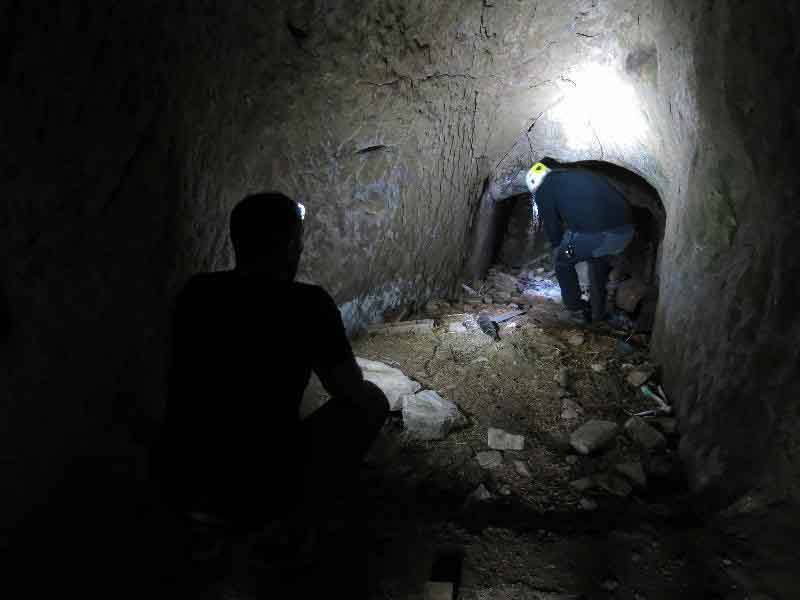
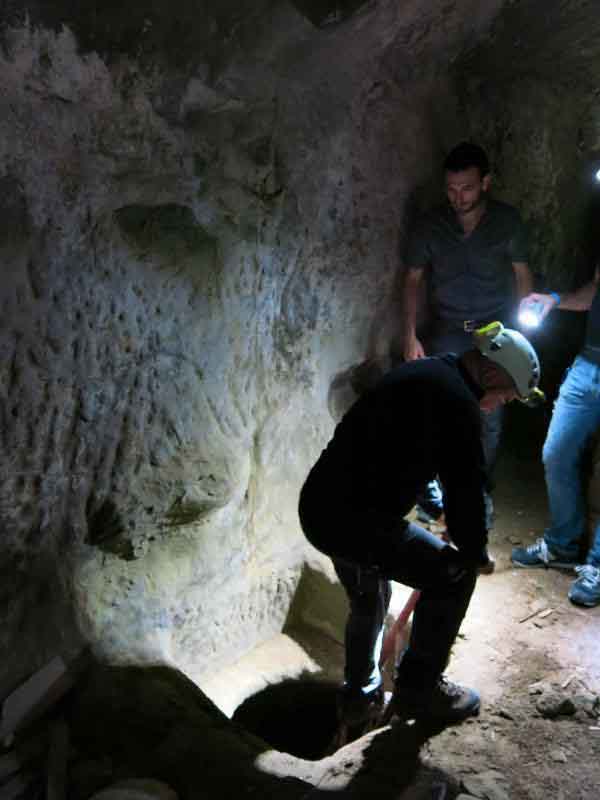
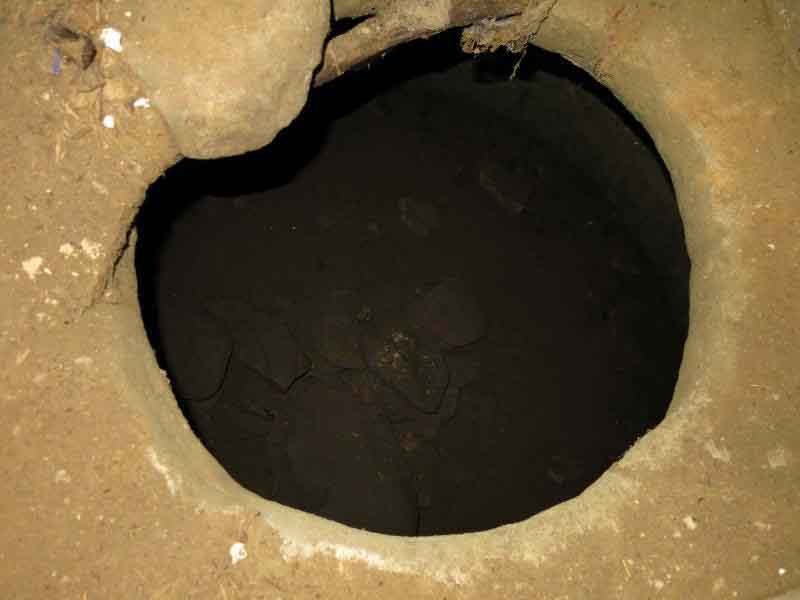
\nA few metres beneath the road surface there opens in fact a cavity that we explored with the National Coordinator of Artificial Cavities of the Italian Speleological Society, Michele Betti, accompanied by members of the Urbino Speleological Group, Francesco Mercantini and Filippo Venturini.
The intervention of Cesare Maria Cangiotti
At the end of the 1980s the Anas (Italian roads authority), considering it a mere void beneath the SS 73bis state road of Bocca Trabaria, had decided to fill the entire site with concrete as a precaution to avoid subsidence in the adjacent ground.
Only the providential intervention of the landowner, Cesare Maria Cangiotti, who had fortunately sensed the historical value of the site, managed to stop the concrete mixers already at work.
The Heritage Authority\'s report (1992)
At that point an intervention by the competent authorities was needed, which came in 1992 through a report by the Marche Archaeological Heritage Authority, certifying this place as:
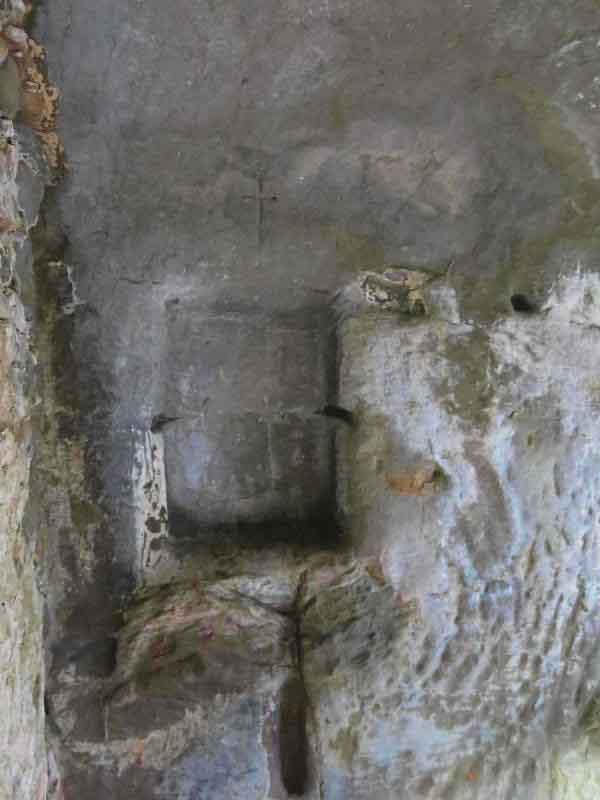
«An ancient cult site dating back to the early Middle Ages, of remarkable historical and monumental importance, being the only example of its kind in northern Marche.»
The ancient road to Tuscany
«According to my research, recounts Cangiotti, the ancient road that led to Tuscany and Rome, revised several times both in the medieval era and under the push of the Grand Duchy of Tuscany, ran below and more to the side of the current route, therefore not above but beside what could be defined an ancient rock church».
The pre-Roman hypothesis
According to the experts of the Urbino Speleological Group, the site is still entirely to be deciphered and is rich in evocative power.
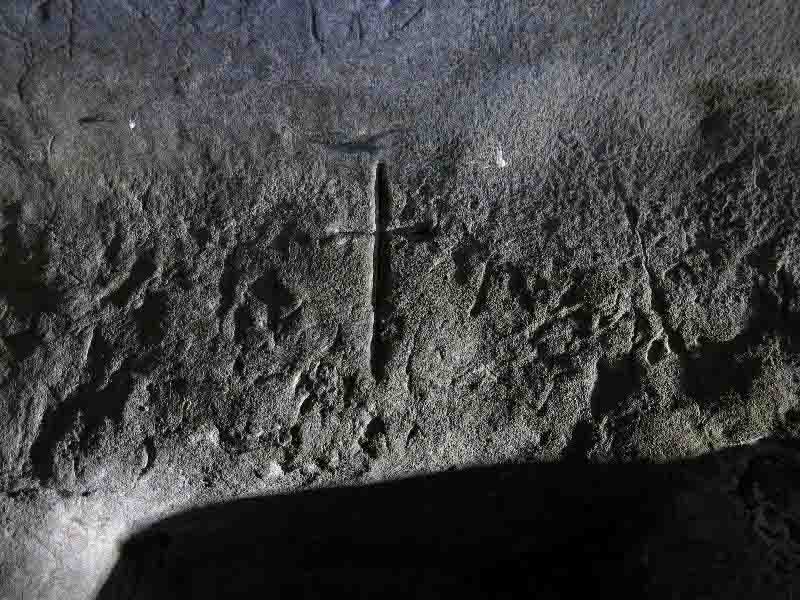
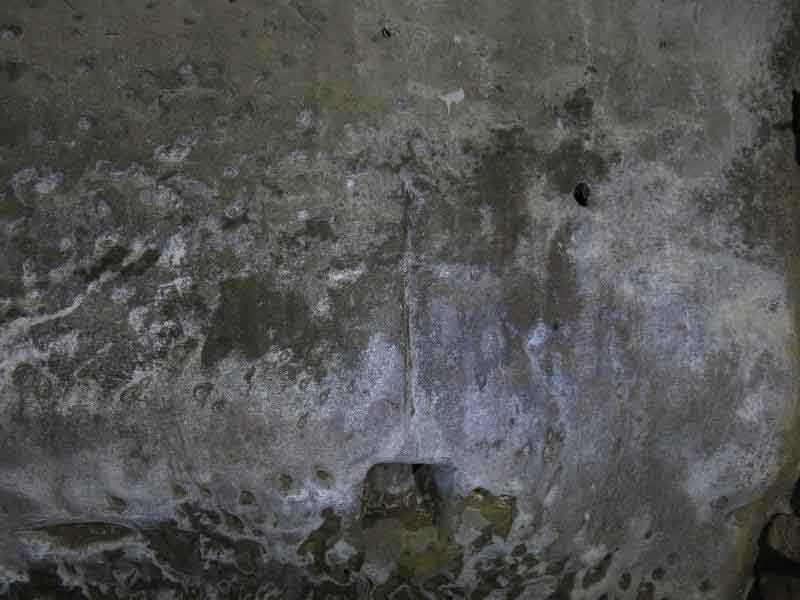
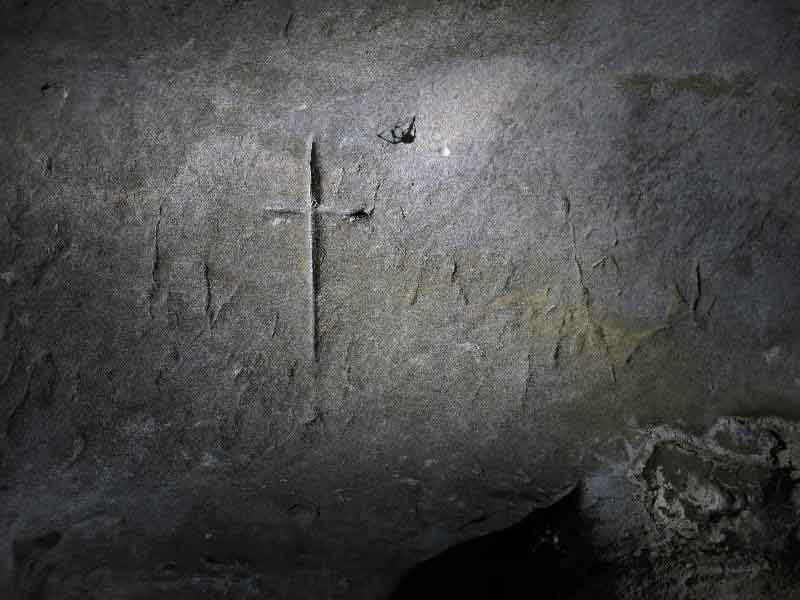
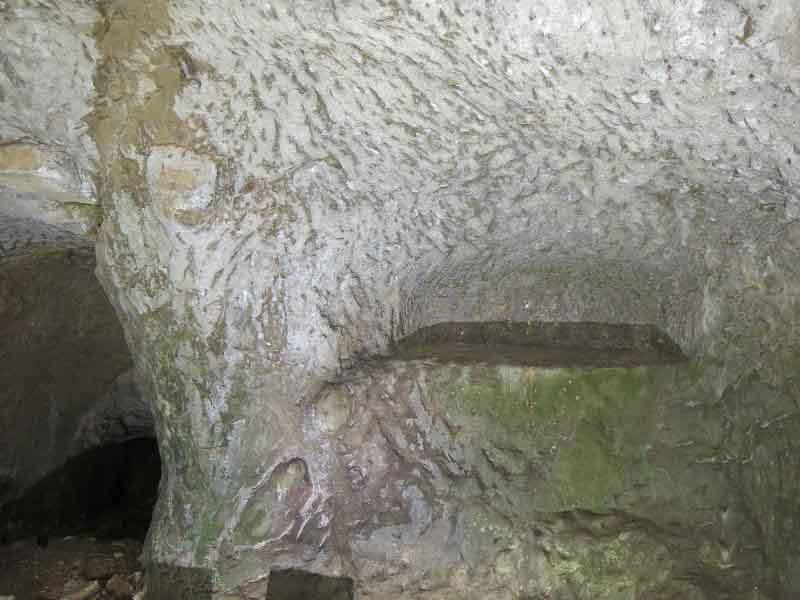
«The off-axis placement of what could be the main altar leaves some doubts», states Michele Betti. «We sent the images to other colleagues specialised in rock churches and another hypothesis emerged, namely that the cave may date back to even more ancient times, that is, to the pre-Roman era. The cavities in the walls in fact have the characteristics of chamber tombs, similar for example to those of Pitigliano and Sorano in Tuscany».
Indeed, with the advent of Christianity a widespread syncretism over the sites of pre-Christian paganism took place throughout Europe: think of the crosses placed on the menhirs of Carnac or, as may be the case here, of the transformation of ancient necropolises into rock churches.
Tiziano Mancini
Excerpt from the article in Il Resto del Carlino, 25/06/2014